
Welcome to ortholoft. Orthodontist in Munich. A loft at Elisabethmarkt.
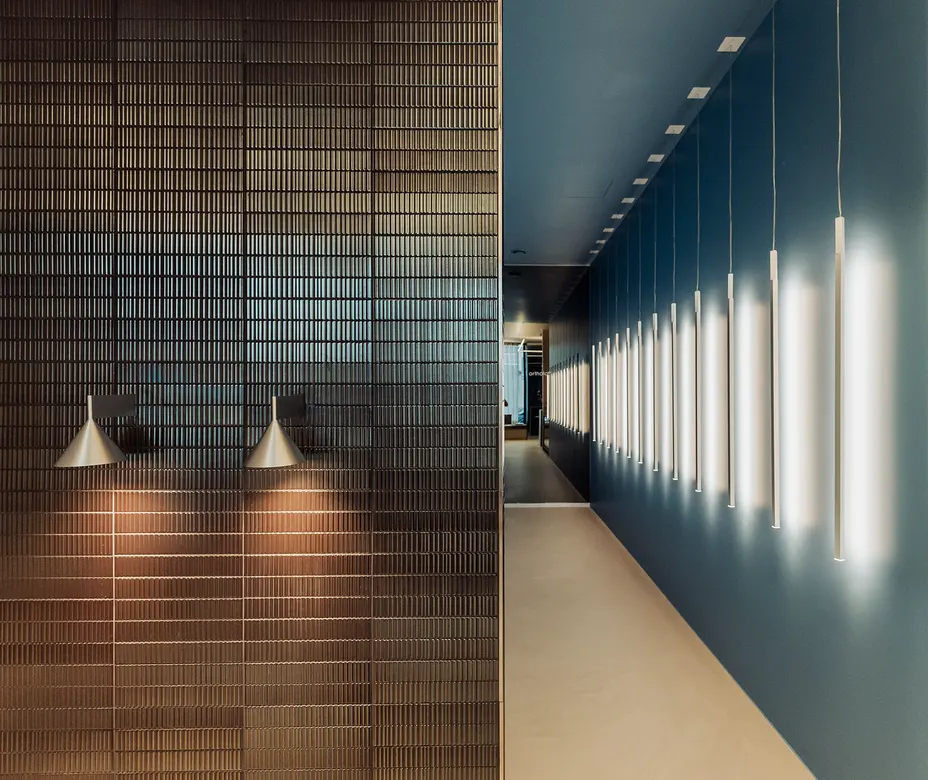
ortholoft is your orthodontist in Munich, located on the ground floor of a historic building on Nordendstraße. With ceilings over three meters high, warm colors, and a practice designed by an interior designer—one that deliberately strays from the classic clinical white. Before we get to your teeth, we’ll start with a cup of coffee. We’ll have our first conversation while seated, not in the dental chair.
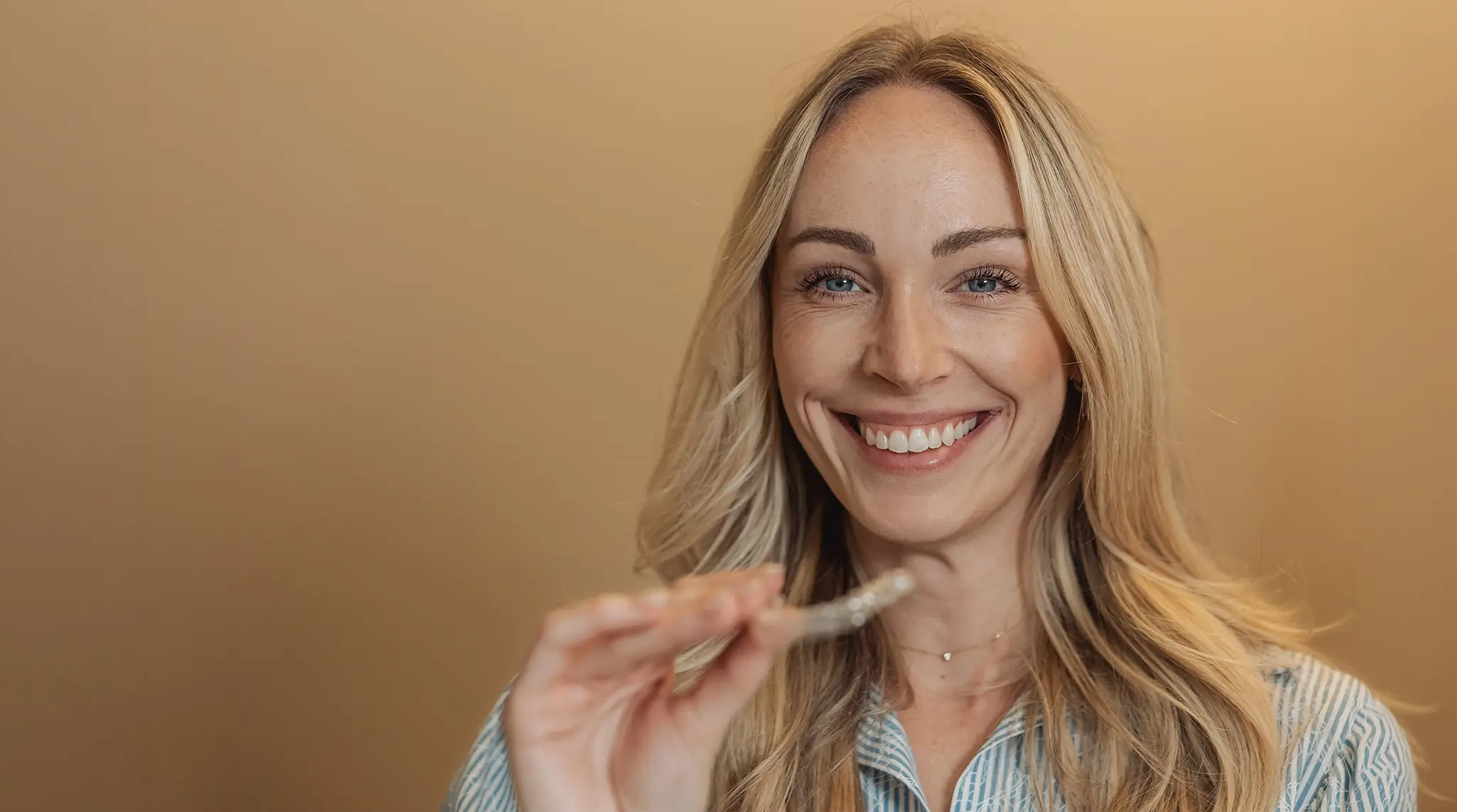
Adults often come to us for orthodontic treatment with aligners, both from our neighborhood and from Maxvorstadt. Braces are no longer a rarity for adults; they just look different today. At ortholoft, we specifically use the SPARK aligner system instead of employing multiple systems at the same time. We produce aligners for minor corrections using our own 3D printer right here in the office. On average, aligner treatment is completed at our practice in about twelve months.
If aligners aren’t sufficient for the desired tooth correction, lingual braces can be a nearly invisible alternative that are attached to the inside of the teeth. And if your jaw joint clicks, your chewing muscles ache in the morning, or you experience jaw joint pain, a splint isn’t automatically the first line of treatment. Instead, we conduct a thorough functional analysis to get to the root causes of craniomandibular dysfunction, or CMD for short. Patients even come from as far north as Munich for their checkups.
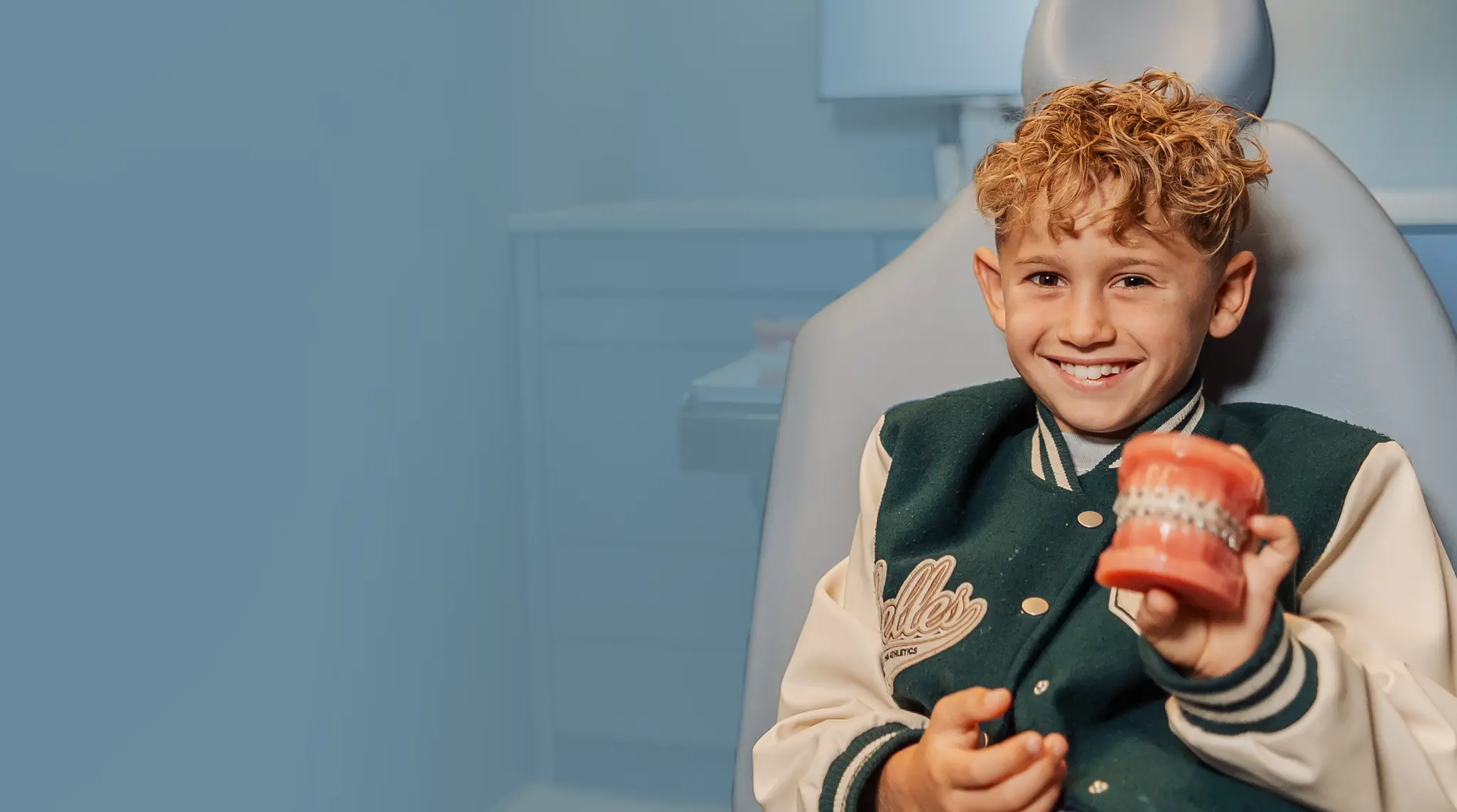
Depending on the initial situation, we treat adolescents and children using, among other methods, fixed braces with self-ligating brackets. We use deliberately low forces over the course of five archwires. We offer both metal and ceramic brackets at the same price.
As orthodontists in Munich, we often see children for the first time when they are about six to eight years old. However, we do not begin orthodontic treatment as early as possible; rather, we start it when it is medically appropriate and necessary.
The same orthodontist in Munich will guide you through your entire treatment: Dr. Dominik Pfeil is a board-certified orthodontist with experience in approximately 2,000 treatments. Treatment planning is done on a computer screen; we do not use impression trays. We offer a two-year warranty on retainers.
Office Hours and Directions to
ortholoft, Your Orthodontist in Munich
Hours of Operation
Monday
8:30 a.m. – 12:30 p.m.
1:30 p.m. – 6:30 p.m.
Tuesday
8:30 a.m. – 12:30 p.m.
1:30 p.m. – 6:30 p.m.
Wednesday
9:00 a.m. – 3:30 p.m.
Thursday
8:30 a.m. – 12:30 p.m.
1:30 p.m. – 6:30 p.m.
Friday
9:00 a.m. – 1:00 p.m.
Saturday
by appointment
Directions
ortholoft, Dr. Dominik Pfeil, D.D.S.
Nordendstraße56, 80801 Munich
Phone 089 20001060
Trams 27 and 28 stop right in front of the office at the Elisabethplatz stop. There is a step-free entrance on the ground floor and a bike rack right outside the door.
Orthodontics in Munich: Everything Under One Roof
The treatment that’s right for you is determined by your diagnosis, not by a catalog. For adults, this is usually aligners; for teens, it’s usually fixed braces; and if you’re experiencing jaw pain, we start with a functional analysis. We’ll discuss your treatment options during the initial consultation before anything is planned.
Orthodontics for
Adults
Teeth can be moved at any age; it’s just that the planning process is different. Most of our adult patients are between thirty and forty years old, are in the middle of their careers, and want a treatment that won’t be noticeable to anyone in their daily lives. Often, this involves aligners; sometimes, the lingual technique is used; and anyone with temporomandibular joint (TMJ) issues has come to the right place as well.

Orthodontics for Children and Adolescents
We first evaluate children around the age of six, but only begin treatment when necessary. Treatment often begins in earnest at age eleven, once the children have lost enough baby teeth, usually with fixed braces. Teenagers have their own waiting area and are given appointments that fit between the end of school and their sports practices.
Aligners: the clear
braces
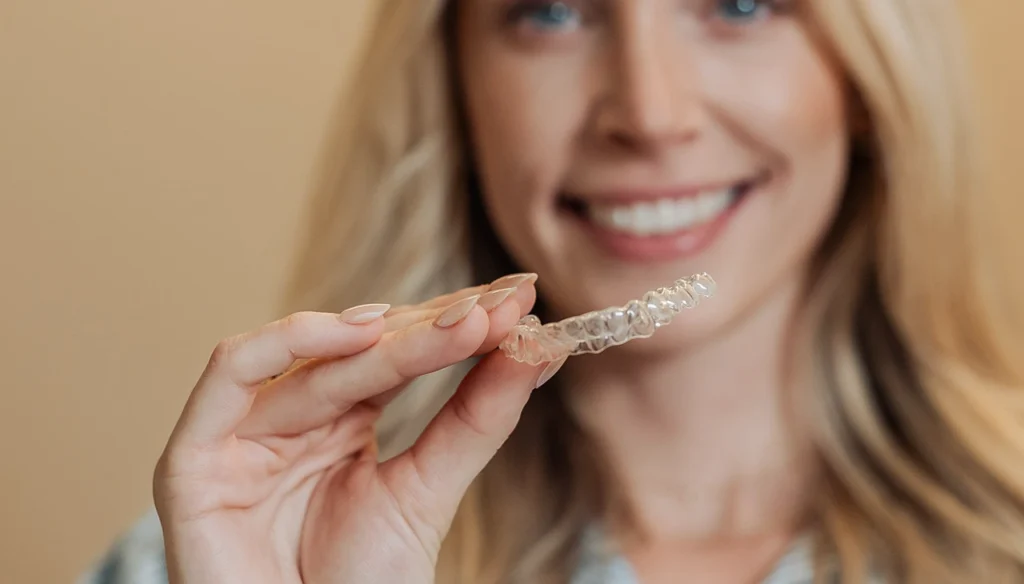
Clear aligners that you can easily remove for eating and brushing your teeth. We use SPARK by Ormco and change the aligners every ten days, so treatment is typically completed in about twelve months, with follow-up appointments every eight to ten weeks. We print minor adjustments ourselves, and the retainer at the end of treatment is included.
CMD Treatment for TMJ Disorders
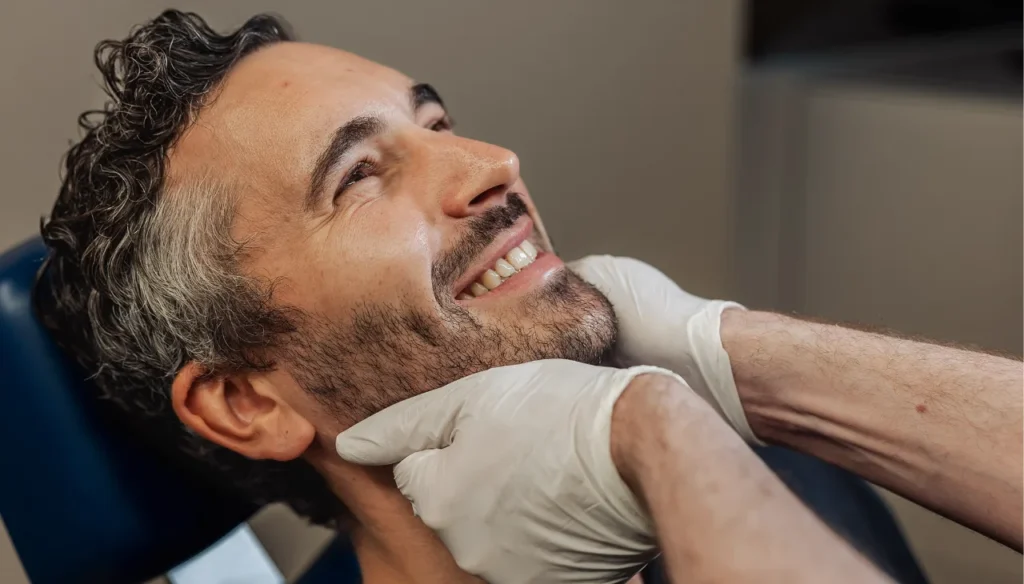
If your temporomandibular joint clicks, your chewing muscles are tense, or you grind your teeth at night, we start with a functional analysis—not with a mouthguard. Only then do we make a decision, proceeding in stages. If necessary, the mouthguard is followed by physical therapy, and if neither of those is enough, botulinum toxin is used as a third step.
Fixed Braces for Children & Teens
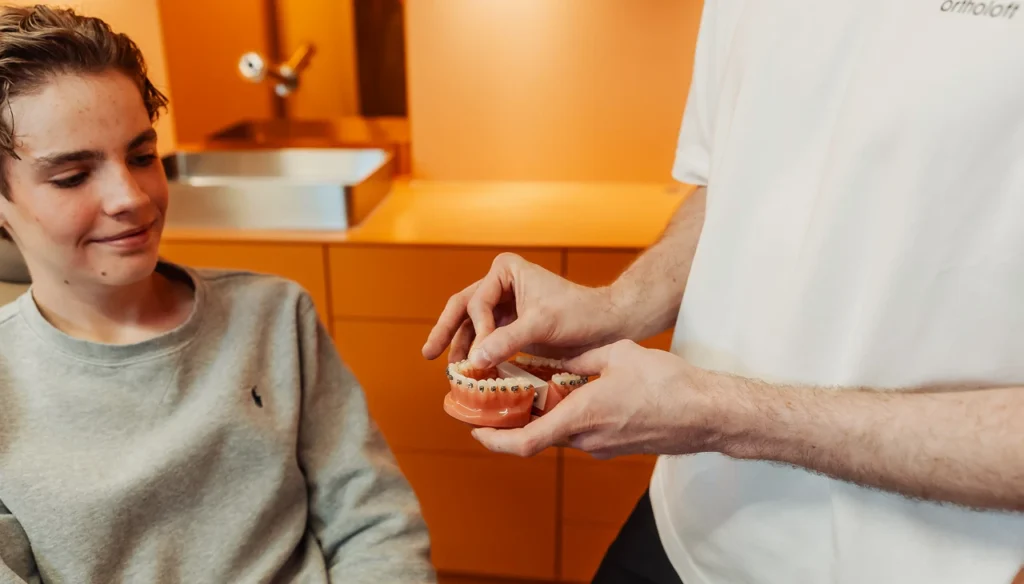
For adolescents, it is the standard treatment; for adults, it is the better choice when teeth are severely rotated or when the bite needs to be corrected. We bond self-ligating Empower brackets—for which metal and ceramic options cost the same—and use five arches with low forces. Before bonding, we seal each tooth.
Professional Dental Cleaning with Braces
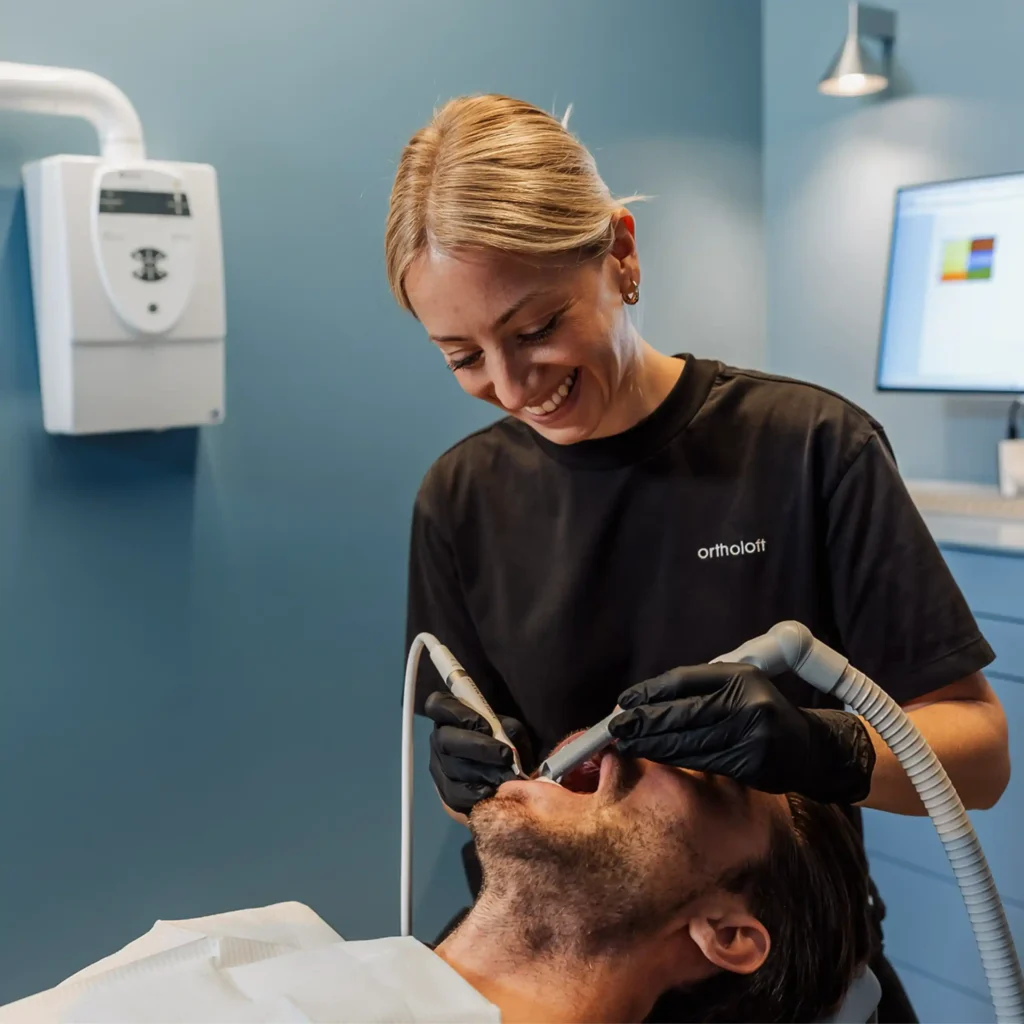
Professional teeth cleaning is part of the treatment for fixed braces because plaque tends to build up more easily around the brackets. It’s included in the treatment package four times a year and involves removing the archwire, using an extra-fine powder, and applying fluoride that lasts six to nine months. When the braces are fitted, we’ll show you how to clean your teeth and braces as part of your daily routine.
Orthodontics for
Adults
Teeth can be moved at any age; it’s just that the planning process is different. Most of our adult patients are between thirty and forty years old, are in the middle of their careers, and want a treatment that won’t be noticeable to anyone in their daily lives. Often, this involves aligners; sometimes, the lingual technique is used; and anyone with temporomandibular joint (TMJ) issues has come to the right place as well.
Orthodontics for Children and Adolescents
We first evaluate children around the ages of six to eight, but we don’t begin treatment until it’s necessary. Treatment often begins in earnest at age eleven, once the teeth have shifted enough, usually with fixed braces. Teenagers have their own waiting area and are given appointments that fit between the end of school and their sports practices.

Aligners: Clear Braces
Clear aligners that you remove when eating and brushing your teeth. We use SPARK by Ormco; the aligners are replaced every ten days, and treatment takes about twelve months on average, with follow-up appointments every eight to ten weeks. We print minor adjustments and replacement aligners using our own 3D printer. The retainer is included.
CMD Treatment for TMJ Disorders
If your temporomandibular joint clicks, your chewing muscles are tense, or you grind your teeth at night, we start with a functional analysis—not with a mouthguard. Only then do we make a decision, proceeding in stages. If necessary, the mouthguard is followed by physical therapy, and if neither of those is enough, botulinum toxin is used as a third step.
Fixed Braces for Children & Teens
For adolescents, it is the standard treatment; for adults, it is the better choice when teeth are severely rotated or when the bite needs to be corrected. We bond self-ligating Empower brackets—for which metal and ceramic options cost the same—and use five arches with low forces. Before bonding, we seal each tooth.
Professional Dental Cleaning with Braces
Professional teeth cleaning is part of the treatment for fixed braces because plaque tends to build up more easily around the brackets. It’s included in the treatment package four times a year and involves removing the archwire, using an extra-fine powder, and applying fluoride that lasts six to nine months. When the braces are fitted, we’ll show you how to clean your teeth and braces as part of your daily routine.
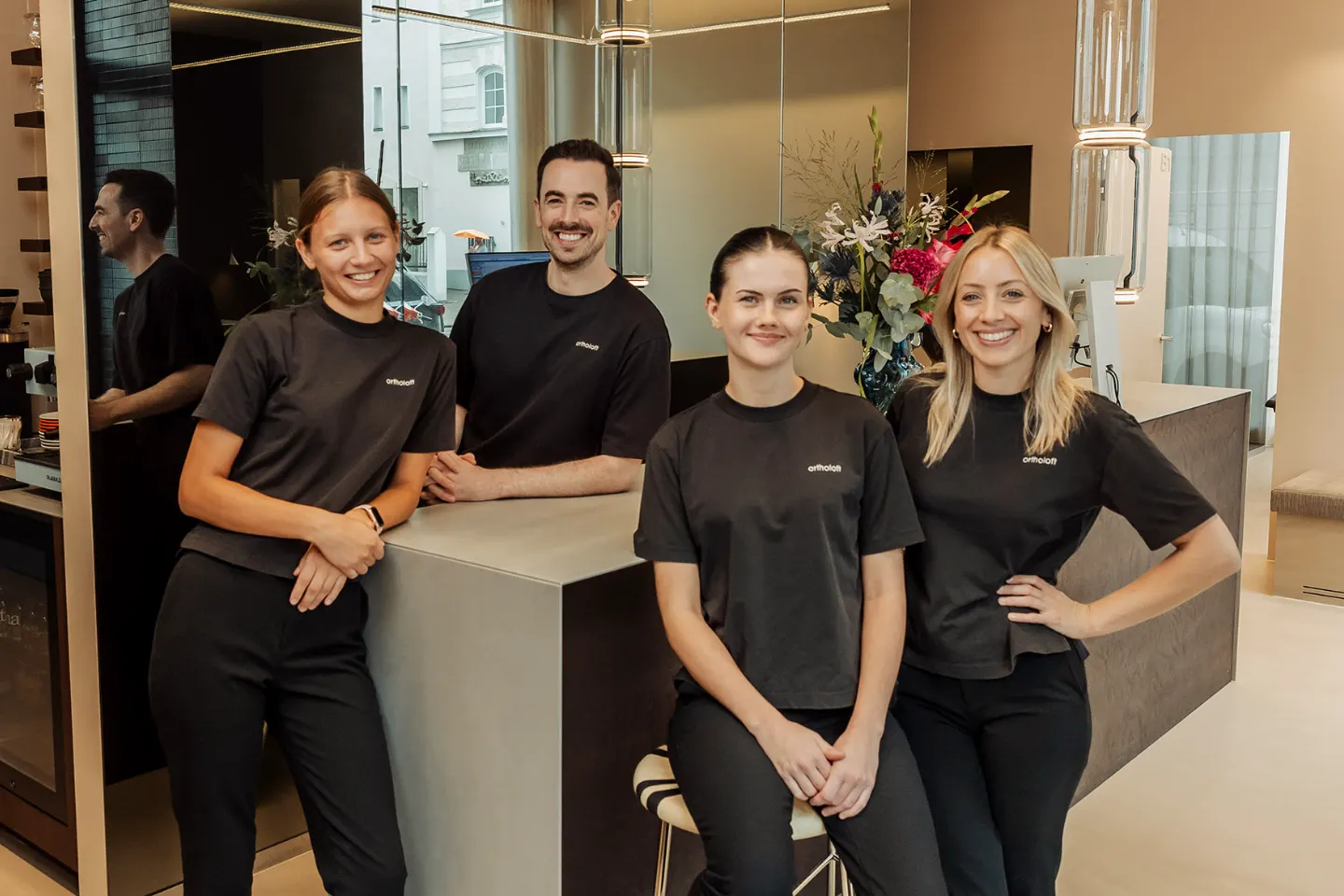
Your Orthodontist in Munich: Dr. Pfeil & Team
Dr. Dominik Pfeil, D.D.S., is a board-certified orthodontist and the treating orthodontist at ortholoft. He completed his dental studies in Frankfurt am Main. In 2018, he began his residency to become a board-certified orthodontist, which took him to a clinic in Munich for one year. He has been a certified orthodontist since 2021.
Throughout his career to date, Dr. Pfeil has overseen approximately 2,000 orthodontic treatments, previously at large practices in Frankfurt and Munich. With his own practice on Nordendstraße, he has created a place where modern orthodontics, digital technology, and personalized care come together.
And when we say “personal,” we really mean it: You’ll see Dr. Pfeil at every appointment. Your care remains in one set of hands from the initial consultation through to completion.
Hannah Schuler is in charge of practice management. Jeannique Kasl and Laura Schaller are dental assistants with advanced training in preventive dentistry and additional on-site training from EMS. They assist with a large portion of your appointments and perform professional teeth cleanings during orthodontic treatment.
At Ortholoft, we speak German and English. As orthodontists in Munich, we treat children, adolescents, and adults—whether they have public or private insurance.
255 square meters of Ortholoft: A Look Inside Our Orthodontic Practice in Munich
The first thing you notice is what’s missing. You won’t find a reception desk where you’re asked for your insurance card right away, nor will you find a waiting room with rows of chairs or the smell of dental impression material. Instead, an interior designer planned the 255 square meters and used color to guide the flow of the spaces.
The adult section has a calm atmosphere and consists of private rooms, so that counseling and treatment can take place in peace, while the youth section is bright and features colored glass. Preventive care has its own room, children have their own counseling room, and patients wait in two separate areas—one in the front and one in the back. This means adults don’t have to sit next to a school class, and teens can be loud without anyone watching.
There are a total of five treatment rooms with six seats, one of which has a double chair. This was a deliberate choice, as quick appointments—such as changing a brace—and appointments for siblings tend to go faster there. If you come over from Maxvorstadt during your lunch break, you’ll be out again in a quarter of an hour, and you’ll usually only have to wait five to ten minutes.
Technically, the practice is entirely digital, which is most evident in what doesn’t happen. The medical history is taken on an iPad instead of a clipboard, the patient records are paperless, and the intraoral scanner replaces all impressions. X-rays are taken on-site; the lateral cephalometric X-ray and the panoramic X-ray are produced digitally in the diagnostic room. Planning is done in OnyxCeph, and you can see the results on the screen before any work begins. We print models and splints for minor corrections ourselves—sixteen pieces per print job.
255 square meters in an older building: designed by an interior designer, guided by color
Five rooms, six treatment stations: one with a double chair for short appointments
No impression material on site: Scan in about three minutes instead of taking an impression
In-house 3D printing: sixteen models per print job, right on-site
Reviews for Ortholoft, Orthodontist in Munich
Read what patients have written after their appointments at ortholoft. Three things come up most often: short wait times, a provider who explains things clearly, and appointments that start on time.


Advice Blog by an Orthodontist in Munich
Before making any decision, you’ll want to ask yourself: Which type of braces is right for me? How long will the whole process take? What does my insurance cover? And what is actually proven to be effective for temporomandibular joint (TMJ) disorders? In this guide, we devote more space to these questions than a single information page allows, and we also point out where the evidence is lacking. The articles were written by Dr. Pfeil.
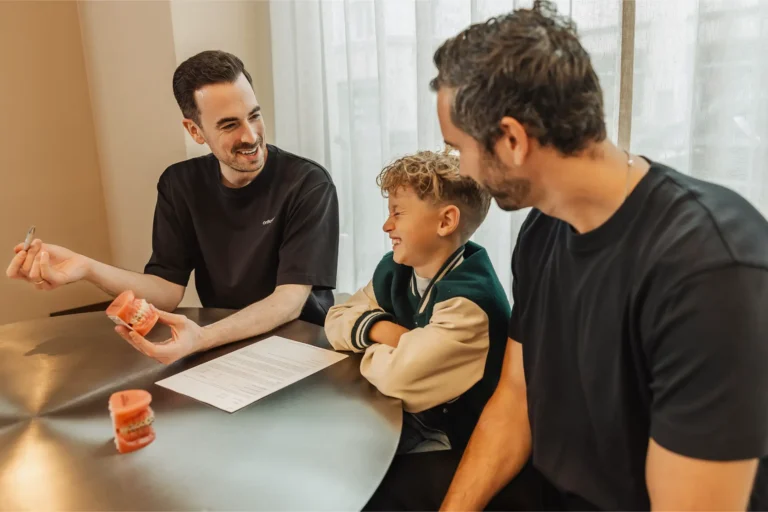
Orthodontic Treatment for Children: Eight Questions About Malocclusion
For most families, the question of orthodontic treatment doesn't start with the orthodontist, but rather…
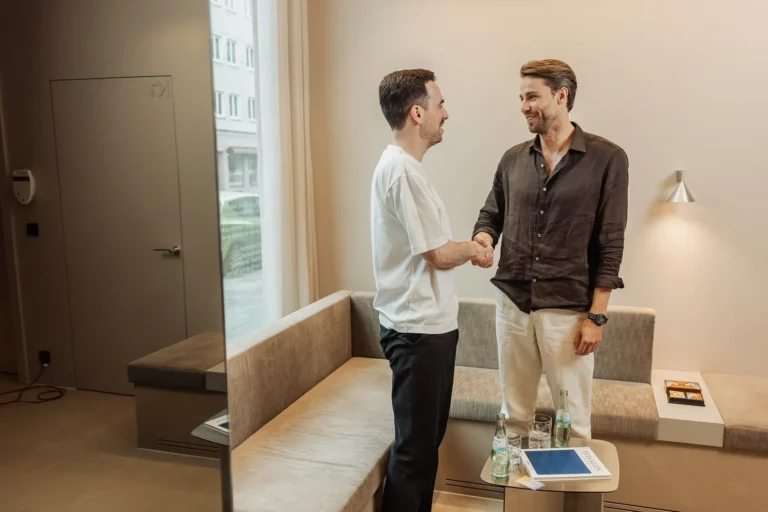
Invisible Braces: Seven Questions About Everyday Life, From Lisping to Kissing
Lingual braces are placed on the back of the teeth. No one can see them from the outside, and the…
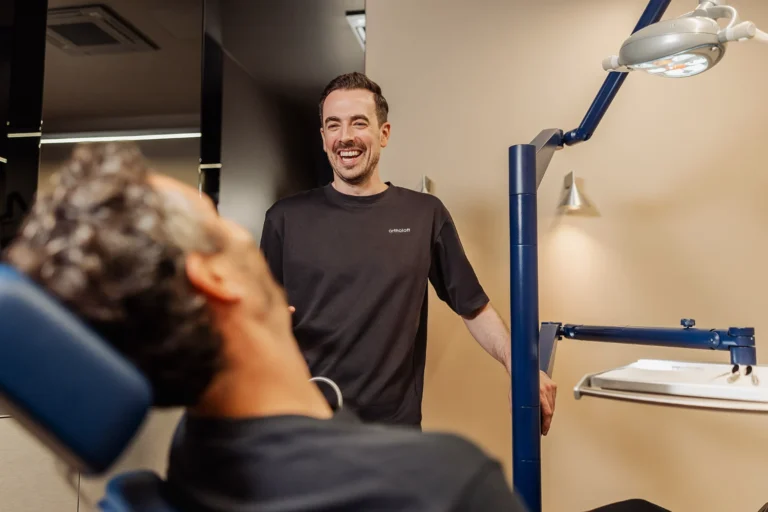
CMD Symptoms: Nine Signs That Go Undetected for Years
CMD symptoms rarely manifest where they originate and therefore often go undetected for years. The…

Straight Teeth: Seven Ways—Most People Know Only Two
There are several ways to get straight teeth. Seven of them are commonly considered for adults, and…
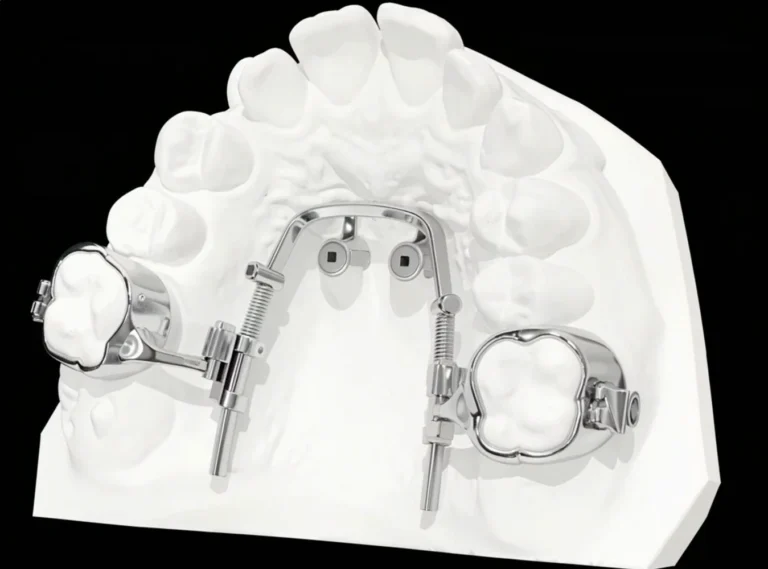
Mini screw
Mini-Screws in Orthodontics: The Clinical Benefits of Distal and Mesial Sliders Mini-screws (TADs, Temporary Anchorage…
Fixed Retainers
Permanent Retainer Wires After Multibracket or Aligner Treatment: Why They Are Often Useful After active orthodontic treatment…
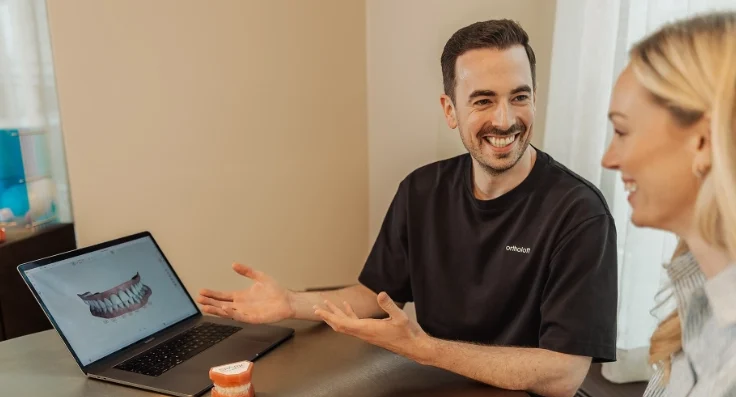
Digital Treatment Planning
Digital Treatment Planning in Orthodontics: The Benefits Demonstrated by Studies Digital orthodontics has revolutionized diagnostics…
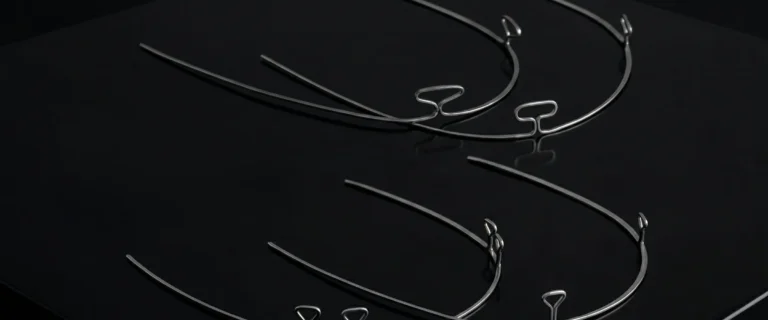
NiTi Arcs
NiTi Arches in Orthodontics: What Benefits Do Studies Show? Nickel-titanium arches (NiTi arches) are among the most important…
Frequently Asked Questions for Ortholoft – Your Orthodontist in Munich
Aligners, clear braces, invisible braces: Which of these does Ortholoft offer?
All three terms refer to the same treatment. We use Ormco’s SPARK—and it’s the only manufacturer’s system we use—because we don’t want to have a superficial grasp of three systems; we want to master one completely. Anything that can be produced on our own 3D printer, we make ourselves: anterior tooth corrections (three-to-three), replacement aligners, and finishing work following treatment with brackets—sixteen models per print run.
We no longer use impression material; instead, the scan takes about three minutes. You’ll then see a simulation of the planned tooth movement on the screen before you make your decision, and we’ll also explain what this simulation doesn’t show.
After that, you’ll switch out your aligners every ten days and come in for a checkup every eight to ten weeks. Since these appointments rarely take longer than a quarter of an hour, many people schedule them during their lunch break; it’s just two tram stops from Maxvorstadt and from LMU on Georgenstraße.
Clear aligners are barely noticeable in everyday life. When you’re talking to someone, they usually don’t even notice them, though you may feel the aligner for the first few days. If aligners aren’t sufficient, we’ll let you know and suggest the lingual technique or fixed braces. Touch-ups are usually included, and a retainer is part of the treatment anyway.
How much do braces cost in Munich, and what does health insurance cover?
We won’t provide specific amounts until we’ve reviewed your medical findings. However, we can tell you in advance how we’ll bill you: We offer fixed prices based on three levels of complexity, and no additional items will be added during treatment. Along with the treatment and cost plan, you’ll also receive a summary written in plain language so you know what you’re paying for before you sign.
For children and adolescents, the KIG classification determines who pays. Starting at Level 3, the public health insurance plan covers standard care; below that level, parents are responsible for the costs themselves. For adults, public health insurance plans generally do not cover the costs, while private plans may cover them depending on the policy. We are a network provider and treat patients with public health insurance, private insurance, and self-pay patients equally.
We include a number of services in our price that cost extra elsewhere. Ceramic brackets cost the same as metal ones; our fixed orthodontic treatment includes four professional teeth cleanings per year; our aligner treatment includes refinements; and the retainer comes with a two-year warranty. You can pay in full and receive a 3% discount, or in up to 24 interest-free installments, with no credit check.
Because aligner treatment for adults is almost always a service patients must pay for out of pocket, the fixed price is often a more important factor than the distance. That’s why patients come to us from Garching and Domagkpark, even taking the U6 to get here.
CMD and Jaw Pain: When Should You See an Orthodontist, and When Should You Use Botulinum Toxin?
We don’t start with a splint, but rather with a functional analysis. During this process, we measure mouth opening, assess lateral and forward movement, and palpate the temporomandibular joints and masticatory muscles, including the masseter, medial pterygoid, and temporalis. Only then do we make a decision, following a specific sequence.
The first step is a bite splint—either a standard splint covered by insurance with a copay, or a Michigan splint customized to the temporomandibular joint. If that is not sufficient, we add accompanying physical therapy. Only as a third step do we administer botulinum toxin into the masticatory muscles, at the earliest one to two weeks after the splint is fitted.
Botulinum toxin is often offered as a standalone treatment for teeth grinding, but that’s not how we do it. The treatment weakens the chewing muscles but does nothing to address the underlying cause, and without a mouthguard, its effects are limited. That’s why, for us, it’s the last step in the treatment cascade.
Patients usually come to us with a clicking or grinding sensation in the temporomandibular joint, one-sided jaw pain, pain that radiates to the ear, or jaw muscles that are already tense upon waking. This does not necessarily mean that a diagnosis of craniomandibular dysfunction has been made. And there is no guarantee of relief from symptoms with CMD; anyone who promises this is going beyond what the research evidence supports.
Fixed Braces: How Ortholoft, an Orthodontist in Munich, Works
We bond self-ligating Empower brackets from American Orthodontics, and we charge the same price for both metal and ceramic brackets. About ninety percent of our teenage patients still opt for metal brackets, usually in colored versions. Before bonding the brackets, we seal each tooth with BracePaste to prevent white spots from forming around the brackets—and we do this for every patient, not just those at risk.
The treatment involves five arches: first, a round arch and two straight arches made of thermoelastic nickel-titanium, followed by two straight arches made of steel. The arches are changed every six to eight weeks, and we deliberately use low forces. We allow sixty to ninety minutes for both the bonding and the removal of the bands.
For teenagers, daily life plays a role. Our first teenage patients come from the Gisela Gymnasium and the Oskar-von-Miller-Gymnasium in Schwabing-Freimann, and for both schools, an appointment fits in between the end of school and practice. Because these short appointments need to go quickly, we have a room with two chairs.
Fixed braces are typically worn for one and a half to two years. They are the standard treatment for adolescents, but they are also effective for adults and are superior to aligners when teeth are severely rotated or when the bite itself needs to be corrected. We usually see children for the first time around age six, but treatment typically begins in earnest at age eleven.
How long does orthodontic treatment take, and what happens afterward?
With aligners, treatment typically takes about twelve months; with fixed braces, it takes one and a half to two years. In between, checkup appointments are scheduled every six to ten weeks, and you’ll schedule your next one as you leave the office. Before treatment even begins, there are three appointments: an initial consultation, a treatment plan discussion one to two weeks later, and then the start of treatment.
After that, the retention phase begins, and from a technical standpoint, that is the most important part for us. We fabricate the fixed retainer using a digital workflow, from scanning to modeling and bending to placement. It is permanent; we check it once a year, and we provide a two-year warranty on the retainers we place.
These days, you can achieve straight teeth with any modern orthodontic appliance. But they’ll only stay straight with a treatment plan. That’s why we address retainer emergencies on a daily basis—including, specifically, patients who have never been treated by us before. Just give us a call, and via Scheidplatz, you can reach us from almost anywhere in the city in just over half an hour.
Do you treat patients with both public and private insurance, and what does the insurance cover?
Both. As an orthodontic practice in Munich, Ortholoft is contracted with health insurance providers, so patients with public or private insurance are just as welcome here as those paying out of pocket. For patients with public insurance and those paying out of pocket, the initial consultation is free of charge and lasts half an hour.
What the public health insurance plan covers depends on the KIG classification—that is, on the severity of the malocclusion. We determine this classification during the initial consultation. You will then receive the treatment and cost plan, preceded by a summary written in plain language so you can see which services are covered by insurance and which costs you will have to pay yourself.
The additional cost of fixed braces or aligners depends on the complexity of the treatment. We bill for additional services and anything not covered by health insurance at fixed rates based on three levels of complexity. You can pay in a lump sum—in which case you’ll receive a discount—or in interest-free installments over up to twenty-four months, with no credit check required.